Research journey · 01—05

A research path across systems and scales.

My path through chemical biology, developmental biology, microscopy, mechanobiology, ultrasound, and systems neuroscience shaped how I now move between molecules, cells, circuits, and whole-brain dynamics.

01

Barcelona

2013–2018

IRB Barcelona & University of Barcelona

Crazy About Biomedicine participant · Undergraduate researcher

Giralt Lab · Soriano Lab

From chemical biology to neural networks

The Crazy About Biomedicine program introduced me to experimental research through cyclic peptides and molecular transport. During my biochemistry degree, I later used modeling, calcium imaging, and an in vitro optogenetic stimulation system in primary rat-neuron cultures to study how functional connectivity and patterned activity develop.
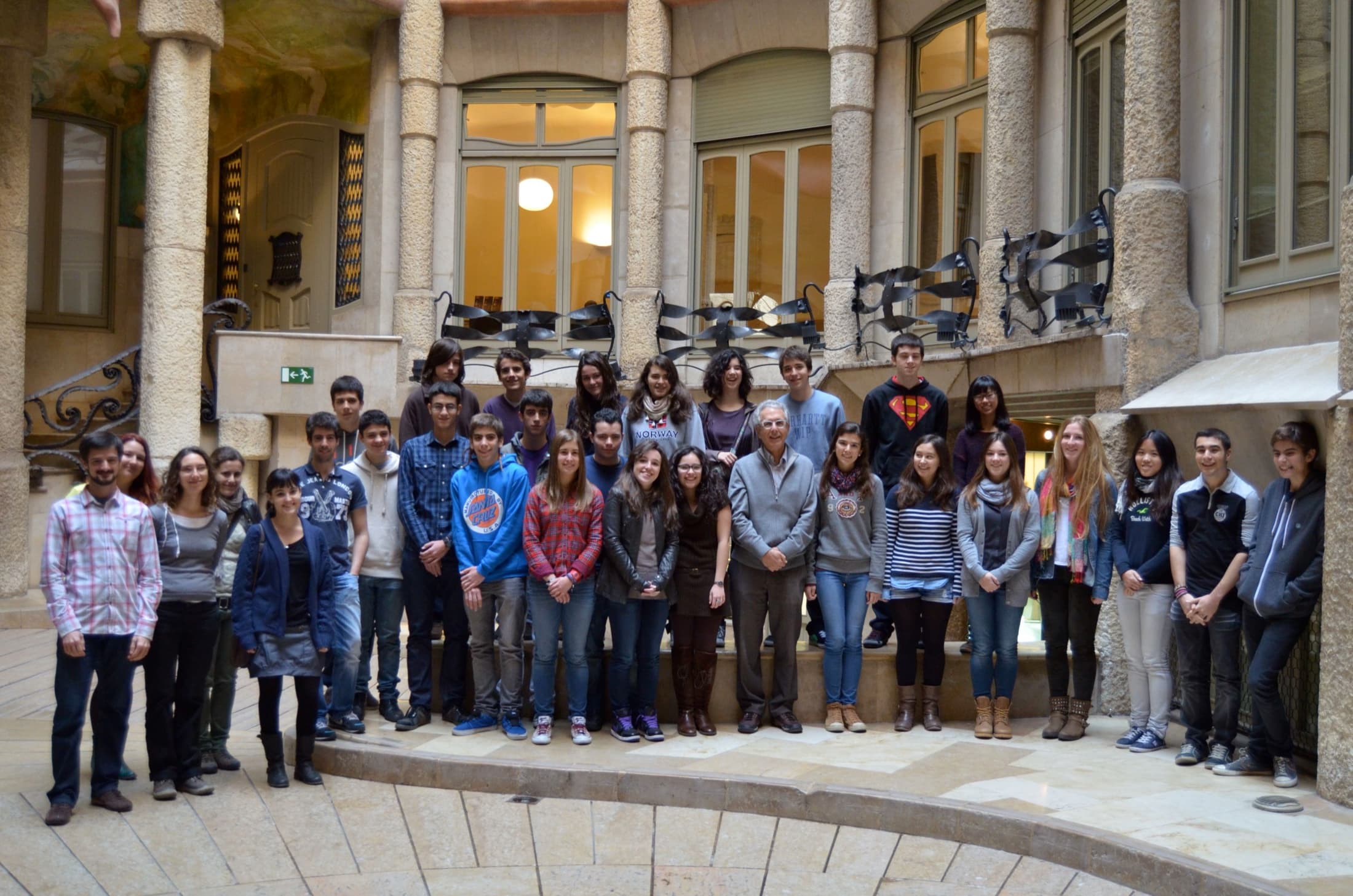
Group photograph from the Crazy About Biomedicine program at IRB Barcelona in 2013
Crazy About Biomedicine 2013 at IRB Barcelona01
Chemical biologyCalcium imagingOptogenetics
02

Heidelberg

Summers 2015 & 2016

EMBL

Undergraduate Research Fellow

Hiiragi Lab

Stress and scaling in early mammalian development

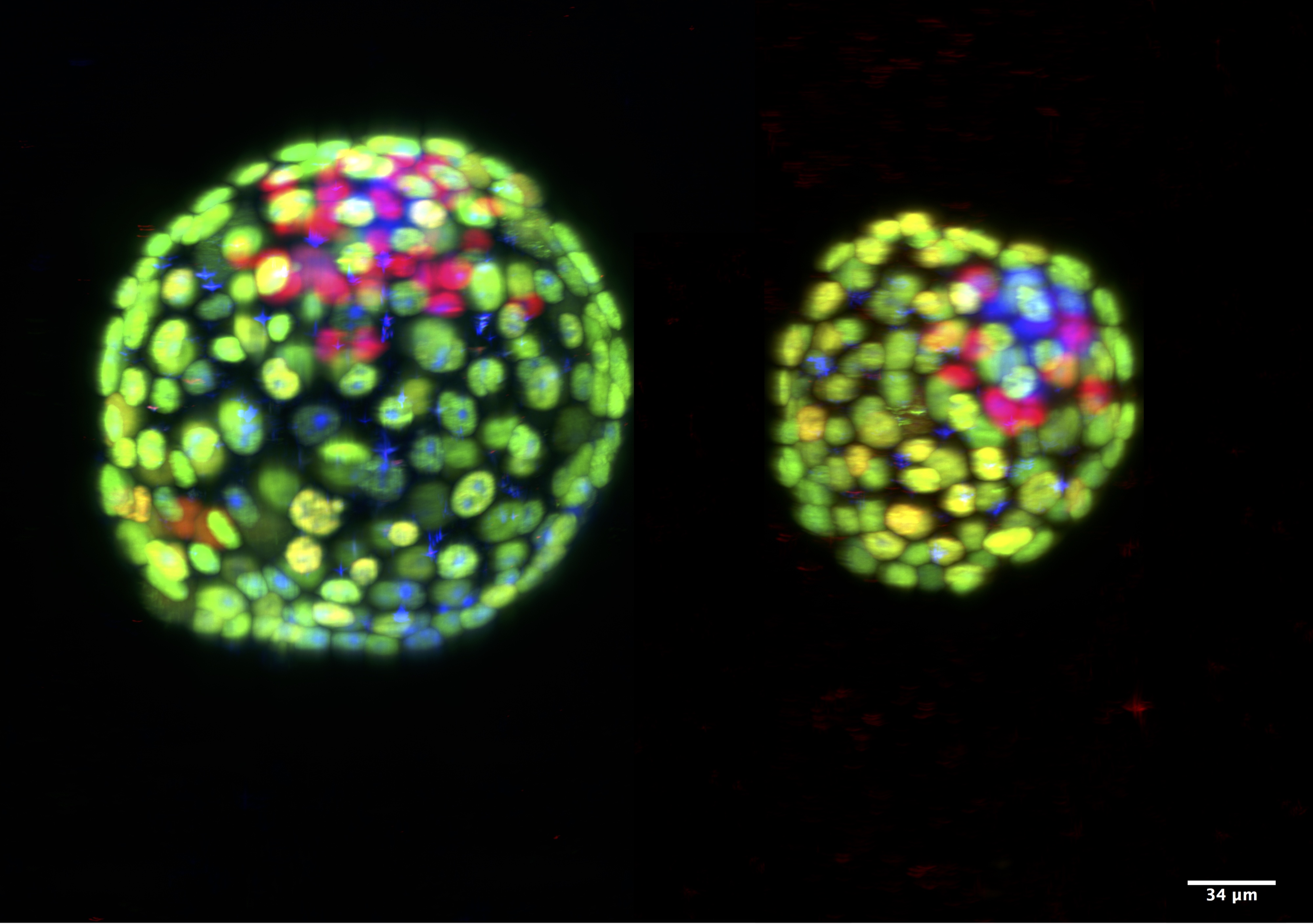
In Takashi Hiiragi’s lab, I studied how pre-implantation stress affects gene expression and cell-cycle regulation in mammalian embryos. Using confocal and SPIM microscopy, I developed image-analysis tools that showed embryos halved at the two-cell stage start recovering their cell number only after the 128-cell stage.

A control and a chimeric pre-implantation mouse embryo labeled with fluorescent markers
Control and chimeric pre-implantation mouse embryos02
Pre-implantation developmentConfocal & SPIMImage analysis
03

Ashburn, Virginia

February–August 2018

HHMI Janelia

HHMI Undergraduate Research Scholar

Keller Lab · Funke Lab

Detecting cell divisions in four-dimensional embryo data

Working with Philipp Keller, Jan Funke, and Kate McDole, I developed a 4D U-Net to detect cell divisions in next-generation light-sheet datasets of post-implantation mouse embryos. The analysis showed that division events cluster at the leading edge of growing tissues and became the basis of my B.S. thesis.

4D U-NetLight-sheet microscopyMouse gastrulation
Division detector on a developing mouse embryo undergoing gastrulation03
04

San Diego

February 2019–April 2021

Salk Institute

Research Assistant

Chalasani Lab

Sonogenetics and non-invasive neuromodulation

With Sreekanth Chalasani, I helped advance sonogenetics by testing the exogenous mechanosensitive channel hsTRPA1 as an ultrasound-sensitive actuator in mammalian cells. This work combined cellular imaging and quantitative analysis and contributed to publications and patents on ultrasound-mediated cellular control.

Sonogenetics figure or calcium imaging04
SonogeneticsUltrasoundhsTRPA1
05

Cambridge

2020–2026 (expected)

Harvard University

Ph.D. student in Neuroscience · Engert Lab from February 2022

Engert Lab · HHMI Janelia

Neural and glial control of behavioral transitions

I combine virtual-reality behavior, whole-brain calcium imaging, pharmacology, and causal perturbations in larval zebrafish to study how neural and glial systems shape behavioral transitions. This work has identified norepinephrine–astroglial mechanisms involved in perseverance and in the persistent effects of ketamine.

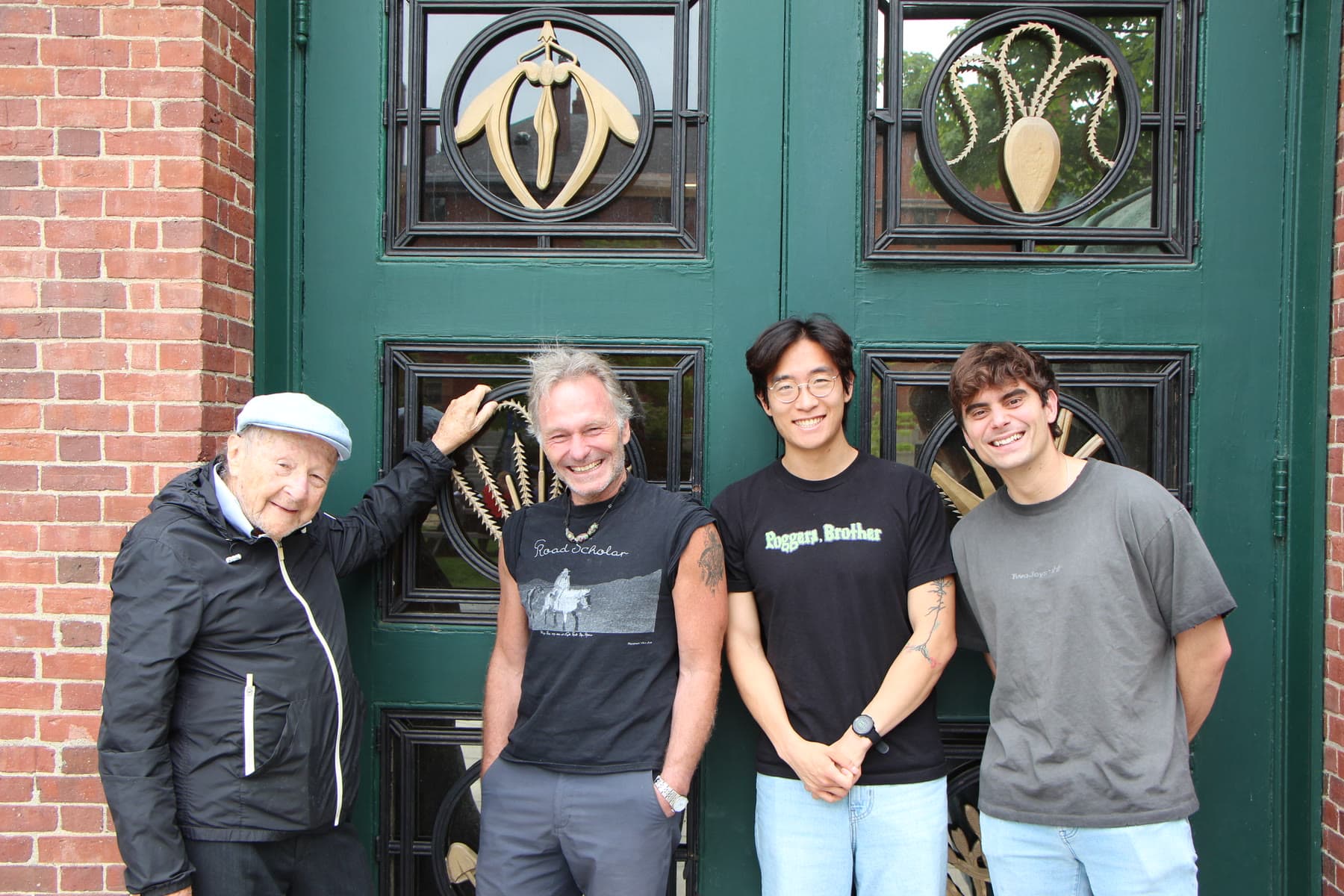
Marc Duque Ramírez with Florian Engert, Alex Chen, and Matthew Meselson
With Florian Engert, Alex Chen, and Matthew Meselson at Harvard05
Systems neuroscienceLarval zebrafishNeural & glial dynamics

Next

Publications